She navigates by trust
Goldie
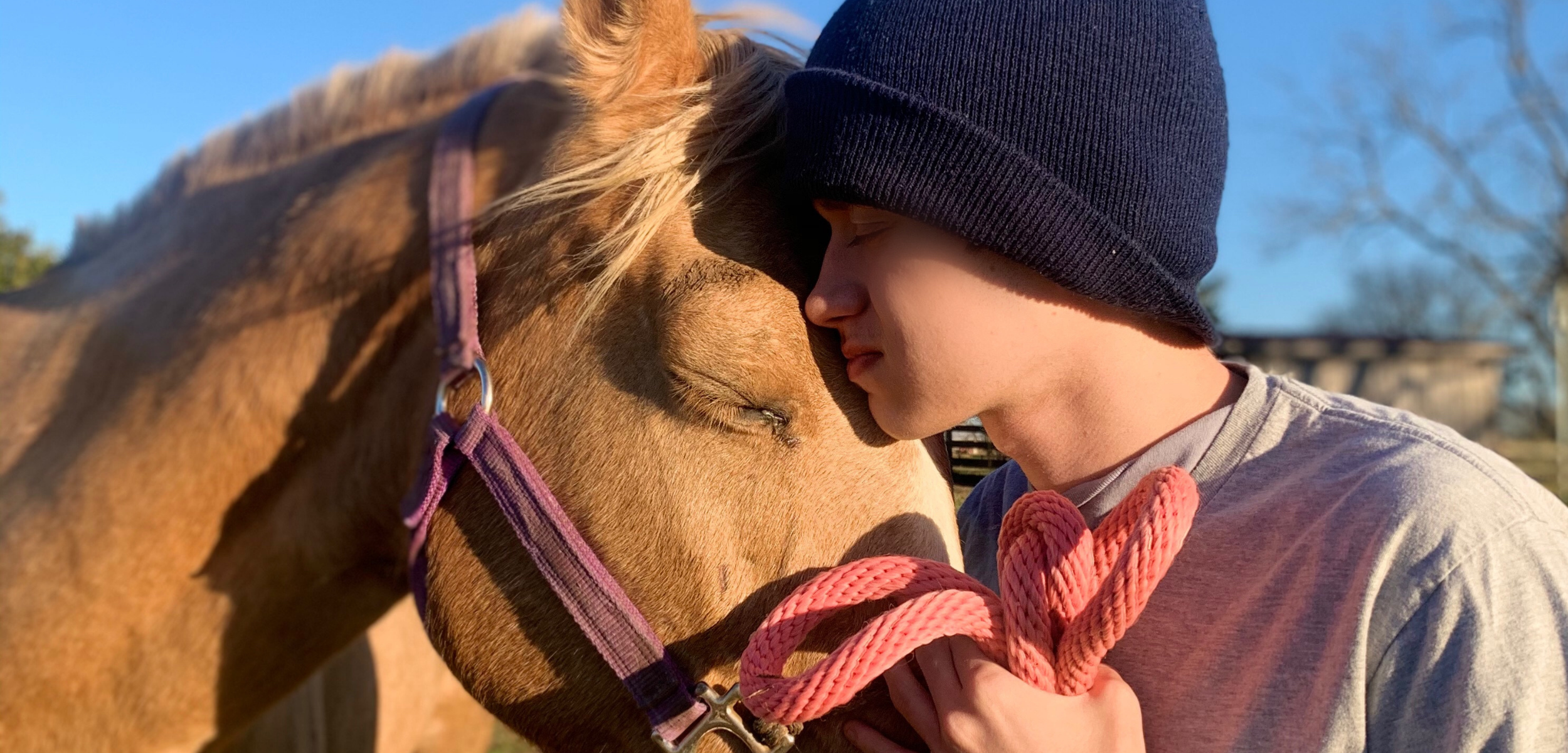
A blind mare, believed to be a Tennessee Walker with Palomino coloring, and one of several animals at Hidden Bee Farm living fully without sight.
Goldie
Goldie is blind. She moves through the world differently than the other horses, but she moves through it. She knows the farm — the sounds, the smells, the feel of the ground under her feet — and she has Flash, who watches over her every day.
Blind horses can live full, comfortable lives when they have a consistent environment, reliable companions, and people who understand what they need. Goldie has all of that here. Flash keeps her company and keeps her moving. The farm stays predictable for her. That’s what she needs, and that’s what she gets.
We aren’t certain of her exact breed. She has the build and movement that suggests Tennessee Walker, and her coloring is Palomino — though it’s worth noting that Palomino is a color, not a breed, which is why you’ll sometimes hear both descriptions. What we know for certain is who she is: calm, trusting, and exactly where she belongs.
“She doesn’t need to see the farm to know it’s home. She figured that out a long time ago.”
About Goldie
One of Several
Goldie is one of multiple blind animals living at Hidden Bee Farm. We have experience caring for animals with vision loss and believe they deserve the same quality of life as any other resident here.
Blind Horses Can Live Full Lives
Vision loss is one of the more common reasons horses end up in rescue. Many people assume a blind horse can’t be managed, or that the quality of life isn’t there. That’s not accurate. With the right environment and care, blind horses adapt remarkably well. They rely more on hearing, smell, and memory — and on the consistency of their surroundings.
The most important things for a blind horse are a safe, familiar space and a dependable companion. Routine matters. Quiet, predictable handling matters. And having another animal nearby — the way Flash is for Goldie — makes an enormous difference in their day-to-day confidence and comfort.
Heightened Senses
Blind horses compensate with sharper hearing and smell. They map their environment over time and can navigate familiar spaces with real confidence when given the chance to learn and settle in.
Companion Animals
A steady companion is one of the most important things for a blind horse. Sound cues from another animal provide orientation and a sense of safety. Flash fills that role for Goldie every single day.
Routine and Consistency
Blind horses do best when their environment stays the same. Moving fences, changing layouts, or introducing new obstacles without warning can cause anxiety and injury. Consistency is safety for them.
Patient Handling
Always speak before you approach a blind horse. Let them hear and smell you before touch. Calm, predictable handling builds trust quickly and keeps them from startling unnecessarily.
Help us care for Goldie and the herd.
Animals with special needs like Goldie require consistent environments, attentive daily care, and experienced handling. Your support goes directly toward making that possible for every animal on the farm.
Support the Rescue Meet the Other Animals