What we believe, and how we live it.
Hidden Bee Farm exists to protect the animals who cannot protect themselves and to teach the next generation what compassion looks like in real life. Our values are not slogans. They show up every day in the way we handle, feed, house, train, and advocate for the animals in our care.
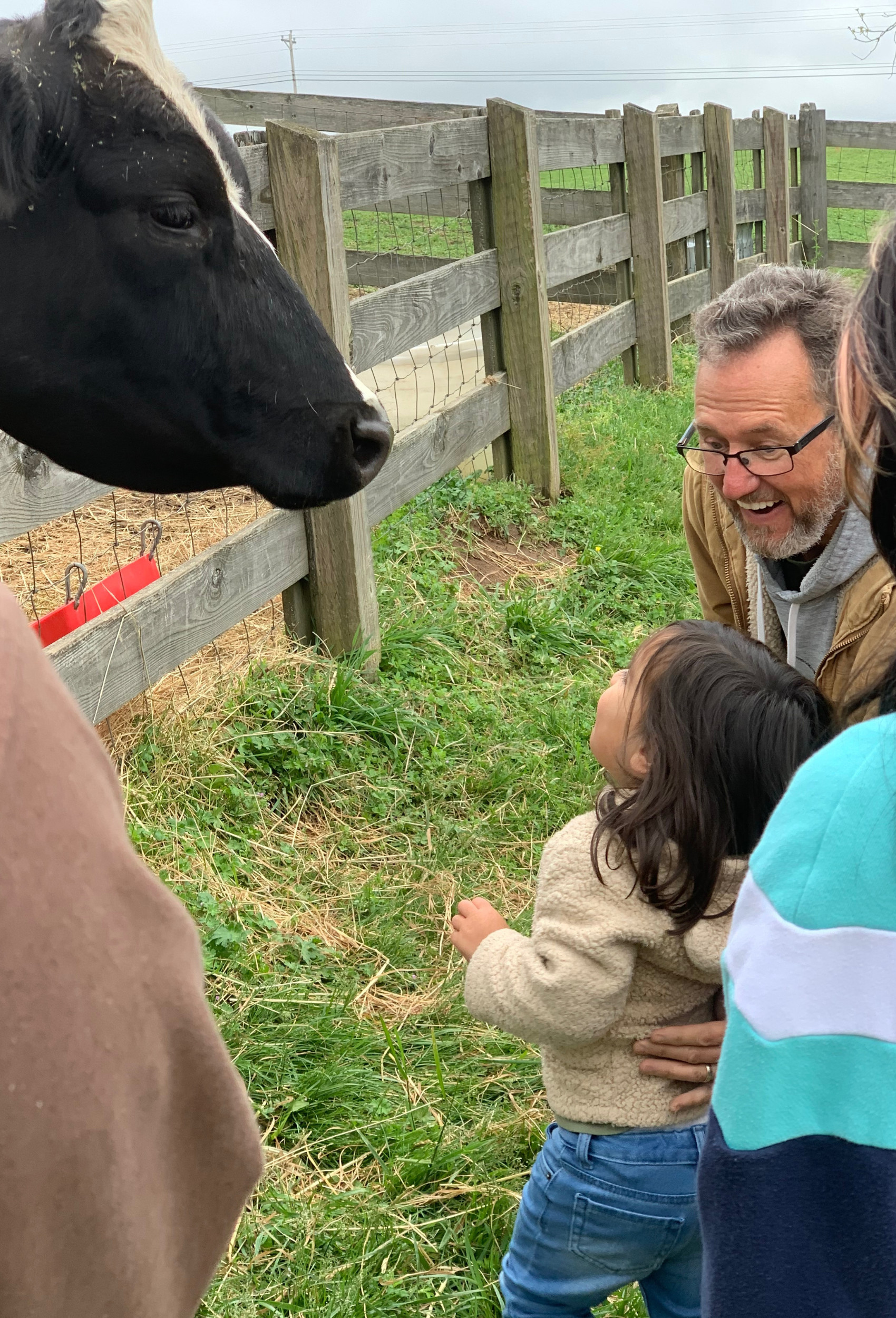
Kindness is not a lesson we teach once. It is a habit we build through daily care and respect.
Six values that guide everything.
Doing the unglamorous work
Animals depend on us for safety, consistency, and clean living spaces. We show up for that work every day because it matters.
Low-stress, individualized attention
We prioritize thoughtful routines and individualized care, especially for seniors and animals with special needs.
Learning by doing
Children learn empathy by participating in care, observing behavior, and understanding responsibility — not by watching from a distance.
Educate, not judge
Animal welfare is complex. Our role is to advocate for humane treatment, not to judge the personal choices of the people we work with.
Small steps, real impact
Small improvements in how animals are treated can change outcomes. We support practical, measurable steps that reduce suffering.
Patience and understanding
We believe in patience, structure, and genuine understanding — including for children and individuals who experience the world differently.
Where we stand, and why it matters.
“Humane treatment is not a radical idea. It is the floor, not the ceiling.”
Hidden Bee Farm exists to rescue animals, educate children, and advocate for humane treatment. That work does not require us to judge the people who walk through our gates.
Animal welfare is not a simple issue. People make different choices about food, farming, and how they live — and we believe those choices belong to the individual. What we do believe, firmly, is that how animals are treated matters. Every animal in our care deserves safety, consistency, and dignity. That belief is what drives everything we do here.
We do not ask visitors or supporters to share our specific views on food or farming. We ask only that people stay curious, stay open, and treat the animals here with the same patience and respect we give them every day.
Dr. Temple Grandin.
Dr. Temple Grandin’s work has done more to improve the daily lives of farm animals than almost any other single force in modern agriculture. Her humane handling systems are used across the livestock industry, and her approach — grounded in how animals actually think and feel — has raised the standard of care in ways that are practical, measurable, and lasting.
Her personal story matters to us too. Dr. Grandin has autism, and she has spent decades showing the world what is possible when people on the spectrum are given the right support and the space to work in ways that make sense to them. That message is close to our hearts. Jackson, the founder of Hidden Bee Farm, is autistic. His quiet connection with animals — the patience, the presence, the understanding — is part of what built this place.
We see Dr. Grandin’s work as proof that small changes in how we treat animals can have real impact, and that the people who are sometimes overlooked often have the most to give.
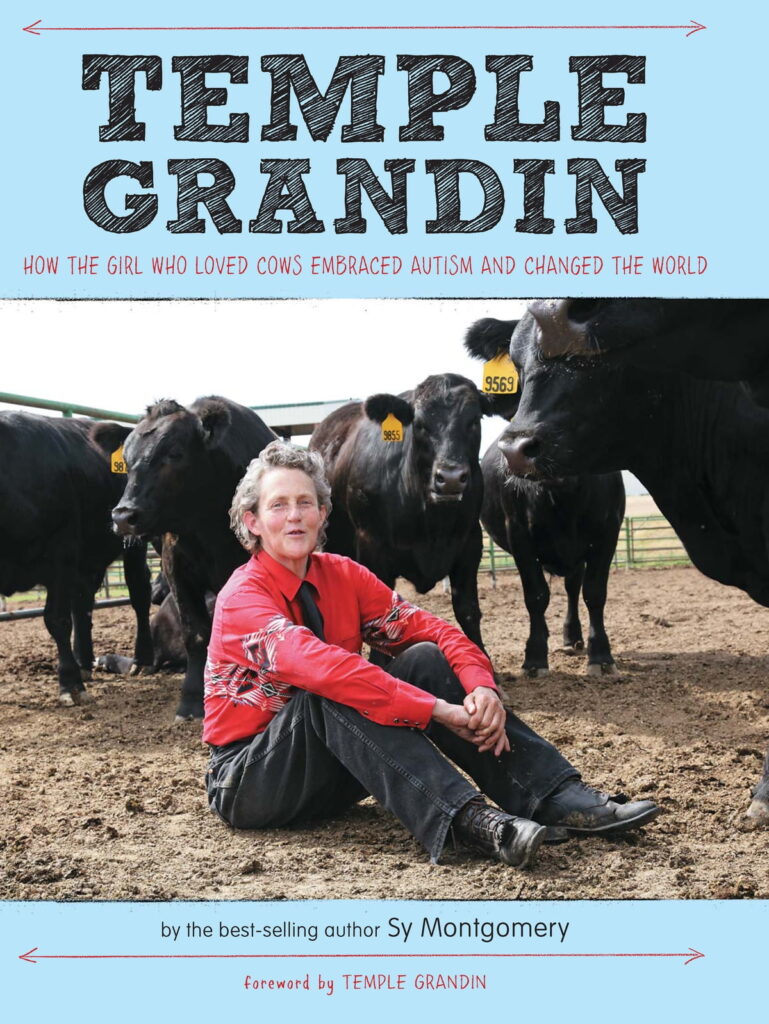
“The skills that people with autism bring to the table should be nurtured for their benefit and society’s.”
Dr. Temple Grandin is a Professor of Animal Science at Colorado State University, a consultant to the livestock industry, and one of the most influential voices in both animal welfare and autism advocacy. Named to the TIME 100 list of the world’s most influential people, she has designed humane handling systems now used in facilities across North America and around the world.
Animal Scientist • Autism Advocate • Colorado State UniversityValues without action are just words.
Read Jackson’s story, meet the animals in our care, or find out how to get involved with Hidden Bee Farm.